Sportswear Decoration & Branding – Technical Capabilities for Custom Uniforms & Athletic Apparel
Technical guide to athletic apparel decoration. Compare sublimation, screen print, heat transfer, tackle twill, 3D puff embroidery & silicone transfers. 17-year factory expertise for custom team uniforms and private-label sportswear.
- Home
- Sportswear Decoration & Branding
Decoration Selection Matrix – Match Method to Application
| Sublimation | White poly | Permanent | Photographic | Excellent | Medium | Soccer, basketball, cycling |
| Screen Print | Cotton/dark poly | High | Moderate | Poor | Low (volume) | Cotton tees, hoodies, fan merch |
| HTV | Any | High | Low (1–2 color) | Good | Low | Numbers, names, simple logos |
| DTF | Any color | Moderate | High | Moderate | Medium | Small batch cotton/poly blends |
| Flat Embroidery | Wovens, fleece | Very high | Moderate | Poor | Medium | Polos, caps, jackets |
| 3D Puff | Caps, jackets | Moderate | Low (bold shapes) | N/A | High | Baseball caps, varsity |
| Tackle Twill | Heavy jerseys | Very high | Low | Poor | Very high | Football, baseball, hockey |
| Silicone Transfer | Any stretch | Very high | Moderate | Excellent | High | Premium jerseys, lifestyle |
| Reflective HTV | Any | Moderate | Moderate | Good | High | Night running, safety gear |
Printing Technologies – Ink, Film, and Fiber Bonding
Dye-Sublimation – The Performance Standard
What it actually is: Dye-sublimation is a gas-phase transfer process. At 180–200°C, solid disperse dyes convert to gas and bond with polyester fibers at a molecular level (0.3mm penetration depth). It is not “printed on top.” The dye becomes part of the fabric.
Technical Specifications:
- Resolution: 600dpi on MS LaRio single-pass systems
- Color capability: Unlimited Pantone matching; photographic gradients without banding
- Fabric requirement: 100% white or light polyester (sublimation dyes are transparent; they cannot cover dark substrates)
- Hand-feel: Zero tactile difference between printed and unprinted areas
- Wash durability: Permanent. AATCC 61 testing shows Grade 4–5 colorfastness after 50+ washes
Where it wins: Soccer kits, basketball uniforms, cycling jerseys, and any design requiring all-over graphics, complex gradients, or photographic detail. Because there are no per-color setup costs, sublimation is economical for designs with 10+ colors.
Where it fails: Cotton, nylon, or dark garments. If your design needs a black jersey with a bright white logo, sublimation alone cannot achieve this without a white polyester base layer or discharge under-print.
Cost driver: No color setup fees, but requires cut-and-sew workflow (print fabric first, then assemble). Small orders (under 50 pieces) have higher per-unit labor costs because the setup is spread across fewer units.
Screen Printing – The Volume Workhorse
Screen printing forces ink through a mesh stencil onto the fabric surface. It sits on top of the garment rather than bonding within fibers.
Ink Types & Applications:
| Ink Type | Finish | Best Fabric | Durability | Cost Impact |
|---|---|---|---|---|
| Water-based | Soft, breathable, matte | Cotton, cotton blends | Moderate (cracks after 30–40 washes) | Baseline |
| Plastisol | Opaque, slightly rubbery | Cotton, polyester, blends | High (50+ washes) | +10% |
| High-density | Raised, 3D texture | Cotton, fleece | Very high | +25% |
| Discharge | Removes dye from dark fabric, replaces with pigment | 100% cotton | Moderate (fades over time) | +15% |
Setup reality: Each color requires a separate screen. A 4-color logo needs 4 screens, 4 registrations, and 4 passes. This makes screen printing expensive at low volumes but extremely cost-effective at 500+ units.
Where it wins: Cotton T-shirts, fan merchandise, hoodies, and any project requiring opaque colors on dark garments. If you need a bright yellow logo on a navy cotton hoodie, screen printing is your answer.
Where it fails: Stretch fabrics (cracks when pulled), fine detail below 1mm line weight, and all-over coverage (seam-to-seam printing is nearly impossible).
Heat Transfer – Precision Without Screens
Heat transfer involves cutting or printing a design onto carrier film, then bonding it to fabric using heat (150–165°C) and pressure (40–60 psi).
Sub-categories:

Heat Transfer Vinyl (HTV / CAD-Cut)
- Process: Colored vinyl sheets are cut by plotter, weeded (excess removed), then heat-pressed.
- Best for: Player names, numbers, and simple 1–2 color logos. Common for basketball and football jersey personalization.
- Durability: 50+ washes if applied correctly. TPU (thermoplastic polyurethane) vinyl outlasts PVC by 30%.
- Limitation: Cannot achieve gradients or photographic detail. Each color is a separate layer.
Direct-to-Film (DTF) Transfer
- Process: Design is printed onto PET film with white ink base, powdered with adhesive, cured, then heat-pressed onto any fabric color.
- Best for: Full-color logos on dark cotton or poly-cotton blends where sublimation won’t work.
- Hand-feel: Slightly heavier than sublimation; a perceptible film layer sits on the fabric surface.
- Durability: Good (40–50 washes), but heavy abrasion (football tackling) can cause edge peeling.
Specialty Films
- Reflective: Glass bead or prismatic technology. Reflects direct light (car headlights). Wash durability: 30–40 cycles.
- Glow-in-dark: Photoluminescent pigments absorb light and emit green/yellow glow. Effect lasts 4–6 hours after charging. Wash durability: 25–30 cycles.
- Metallic / Holographic: Mylar-based films with chrome or iridescent finishes. Popular for basketball warm-ups and streetwear crossover lines.
Direct-to-Garment (DTG) – The Cotton Solution
DTG uses modified inkjet technology to spray water-based pigment inks directly onto fabric.
Technical reality:
- Resolution: 1200dpi capability
- Pre-treatment: Cotton garments require a chemical coating before printing to prevent ink bleed
- Color: White ink capability allows printing on dark cotton
- Hand-feel: Slightly stiff initially; softens after 3–4 washes
Where it fits: Cotton or high-cotton blend T-shirts (over 70% cotton). Small batch orders (1–24 pieces) where screen setup costs are prohibitive. Not suitable for 100% polyester sportswear—ink does not bond well with synthetic fibers and washes out rapidly.
Cost structure: No setup fees, but per-unit ink cost is high. Economical at 1–50 pieces; above 100 pieces, screen printing becomes cheaper.
Embroidery & Appliqué – Dimensional Branding
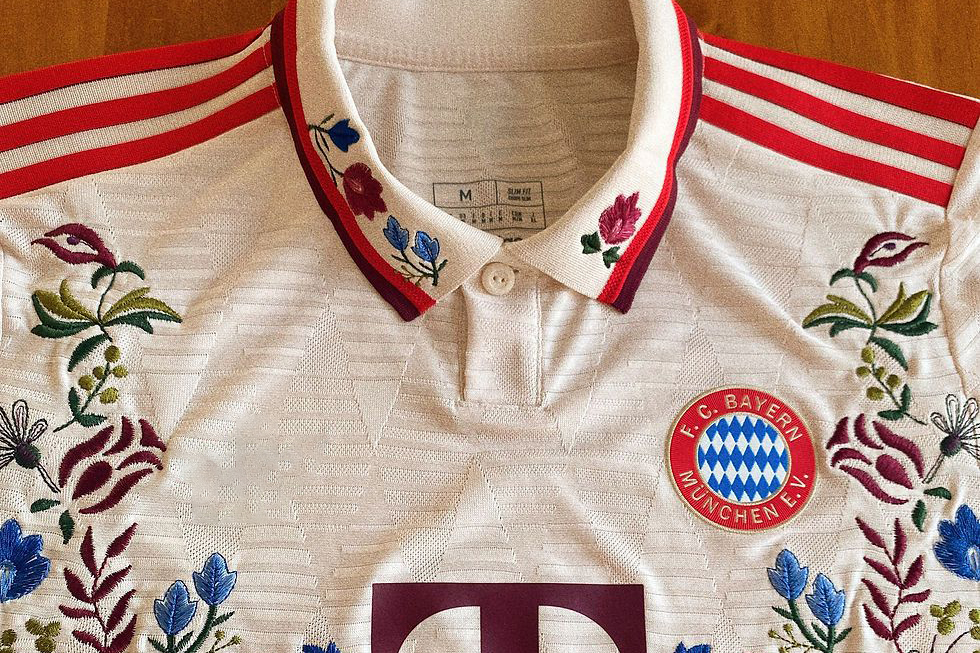
Flat Embroidery – The Classic
Flat embroidery stitches thread directly into the fabric substrate using computerized multi-head machines (Tajima, Barudan).
Technical specs:
- Thread: Rayon (high sheen, less durable) vs. polyester thread (colorfast, stronger). We default to polyester for athletic applications.
- Stitch density: 0.4mm spacing for standard coverage; 0.3mm for dense, opaque coverage.
- Minimum text height: 5mm for legibility. Anything smaller becomes illegible and prone to thread breaks.
- Backing: Tear-away (lightweight garments) or cut-away (stretch fabrics, permanent stability).
Where it wins: Polo shirts, staff jackets, sideline caps, and premium team travel gear. It signals permanence and institutional quality.
Where it fails: Lightweight performance jerseys (adds weight and creates “stiff spots” that irritate skin during contact). Not recommended for player jerseys in football, rugby, or basketball.
3D Puff Embroidery – Raised Authority
A foam substrate (2–5mm thickness) is placed under the embroidery area. The stitching compresses and covers the foam, creating a raised, sculptural effect.
Technical considerations:
- Foam color: Must match top thread color; white foam under dark thread creates a “shadow” effect.
- Minimum height: 3mm foam is standard; 5mm creates dramatic lift but reduces stitch stability.
- Edge definition: Works best on bold, blocky fonts and simple logos. Intricate detail gets lost in the height.
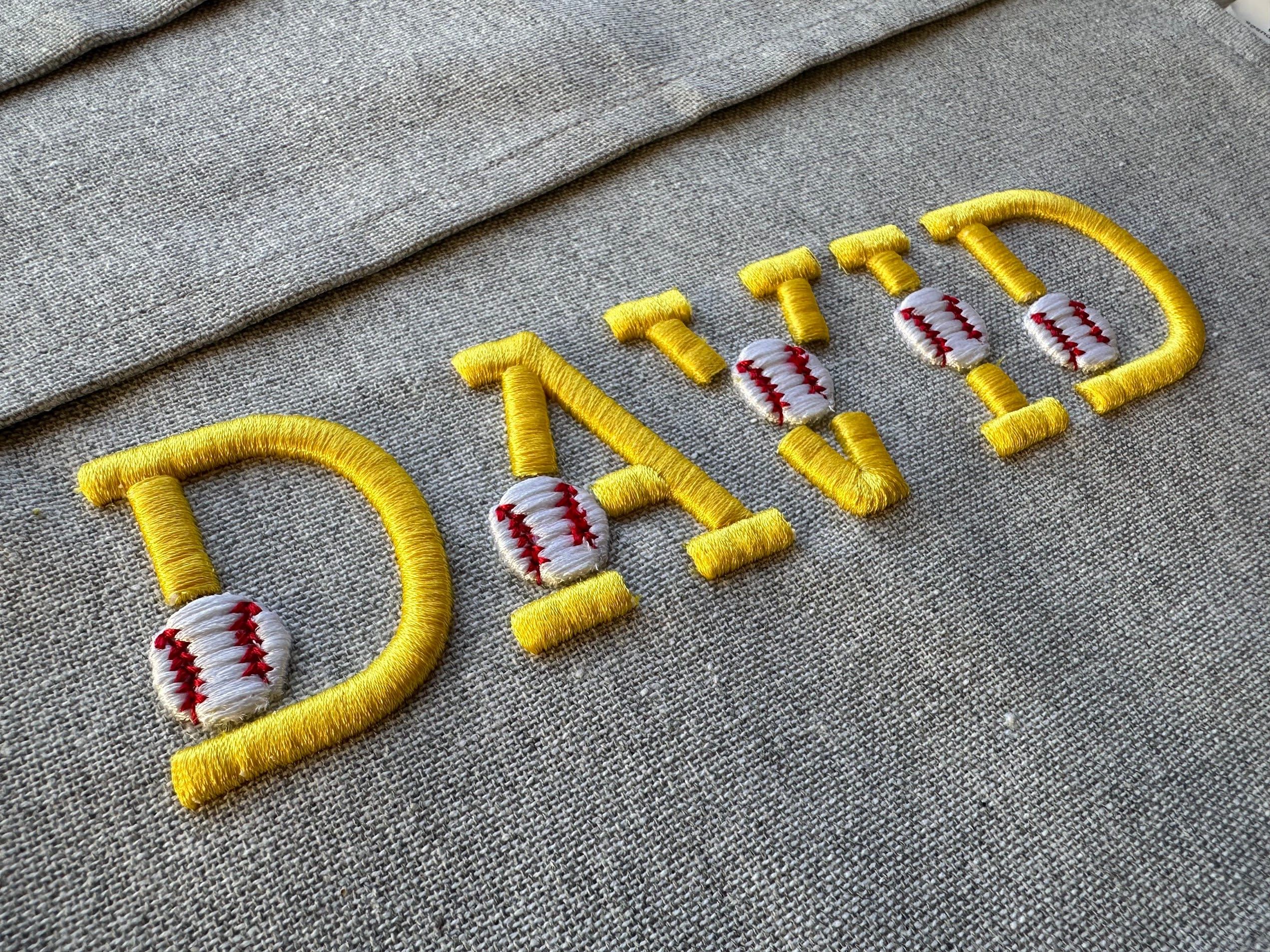
Best for: Baseball caps, varsity jackets, and championship patches. The tactile dimension communicates “premium” before the customer even reads the text.
Durability note: Foam can degrade with industrial washing and high-heat drying. We recommend cold wash and air dry for 3D puff items.
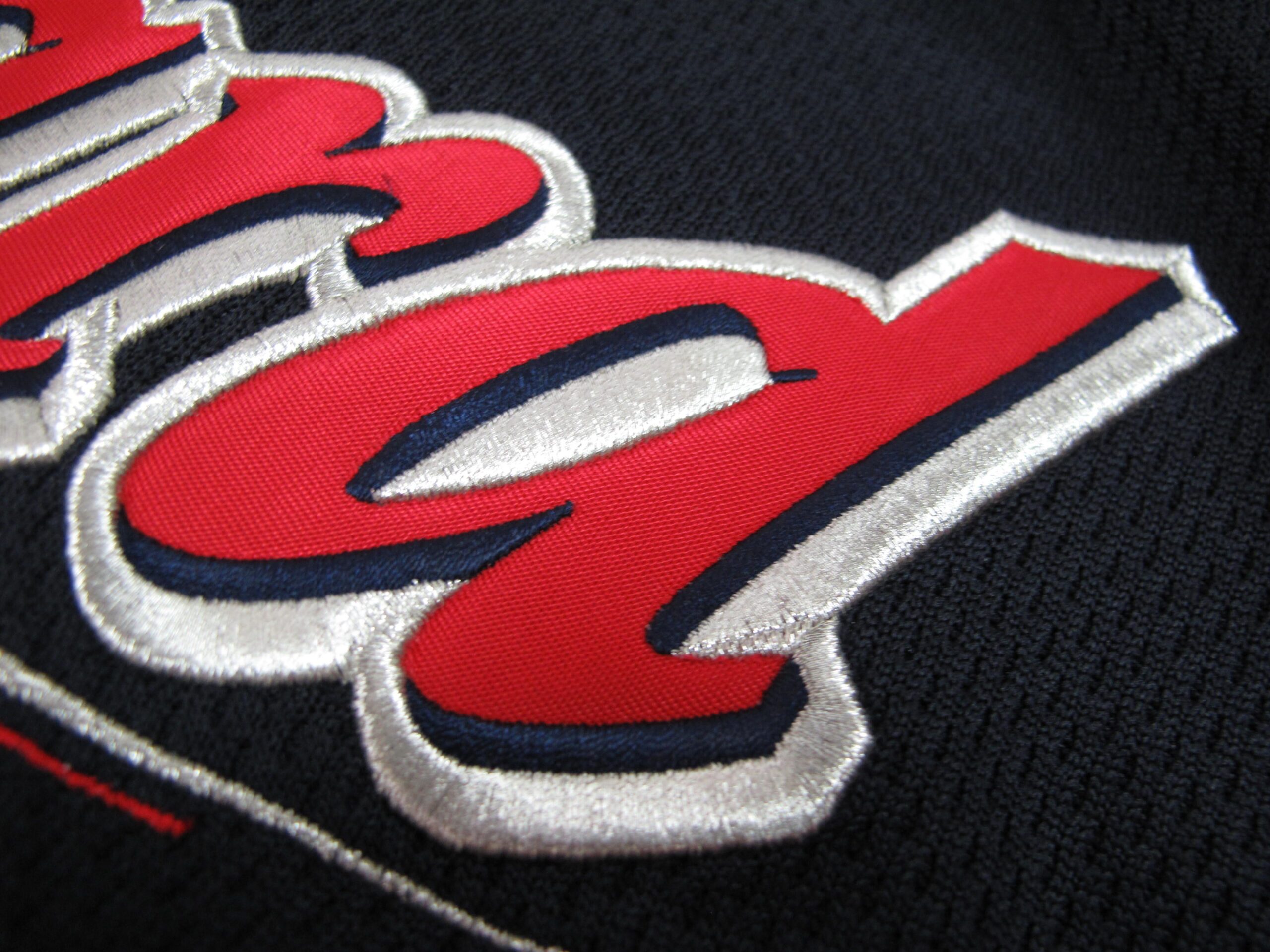
Tackle Twill / Twill Appliqué – The Heritage Look
Tackle twill involves laser-cutting fabric letters or logos from poly-twill material, then stitching them onto the base garment with zig-zag or satin stitch borders.
Construction layers:
- Base garment (jersey fabric)
- Twill layer (usually 2–3 layers for depth)
- Top stitch (zig-zag or satin stitch securing the edge)
Specifications:
- Twill weight: 220–280gsm for body; lighter 180gsm for delicate areas
- Border stitch: 7–9 stitches per cm for durability
- Laser cutting: Ensures clean, sealed edges that resist fraying
Where it wins: Football jerseys, baseball uniforms, hockey sweaters, and any application requiring “old school” authenticity. It outlasts printed numbers by 5x in abrasion testing.
Cost reality: Highly labor-intensive. Each letter is individually positioned and stitched. A full back name and number set can add $8–12 per garment compared to heat-pressed vinyl.
Weight impact: Adds 85–120g per chest logo application. For performance soccer or track, this is prohibitive. For football and baseball, it’s standard.
Chenille – Varsity Tradition
Chenille uses looped yarn (fuzzy, carpet-like texture) to create patches and letters. The loops are sheared on letter tops but left looped on backgrounds for contrast.
Technical specs:
- Yarn: Cotton or acrylic loop yarn
- Backing: Felt or twill base
- Border: Satin stitch or merrowed edge
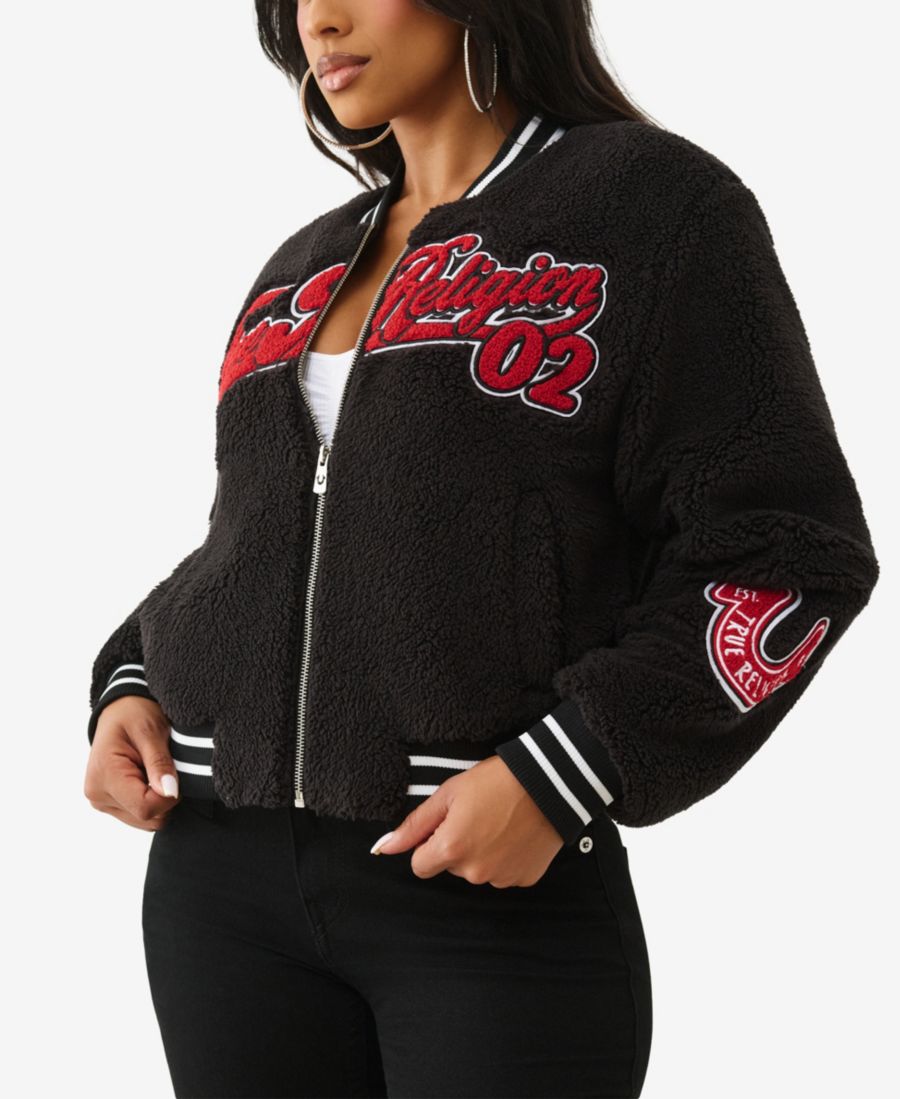
Best for: Letterman jackets, championship patches, and academic/sports achievement awards. It carries cultural weight in American high school and collegiate athletics.
Limitation: Not suitable for direct garment application on stretch fabrics. Chenille is almost always applied as a patch, then sewn onto the garment.
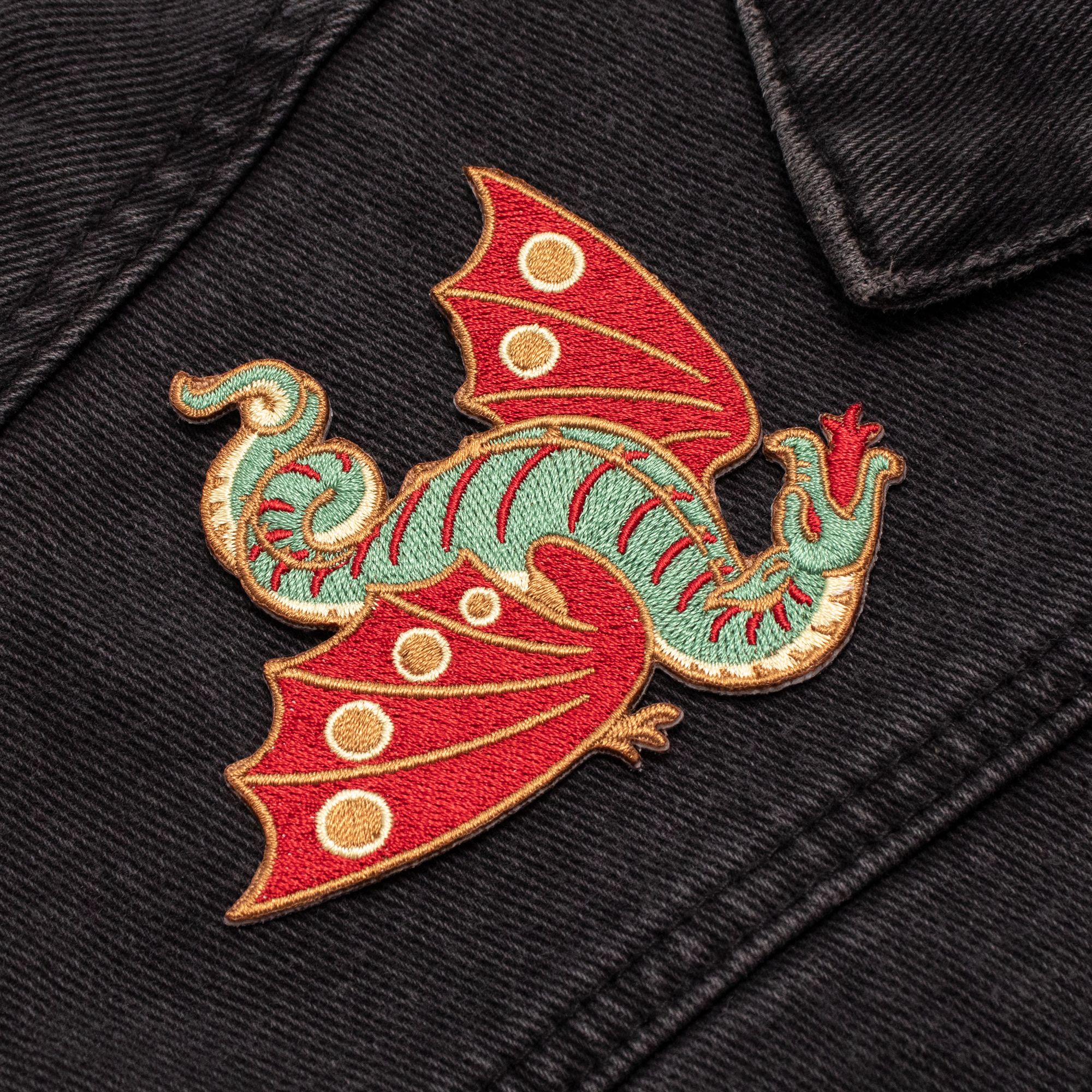
Embroidered Patches – Modular Branding
Patches are embroidered or woven emblems manufactured separately, then attached to garments via:
- Sew-on: Permanent, most durable
- Heat-seal: Glue backing activated by heat press; good for 30–40 washes
- Velcro (Hook & Loop): Removable; popular for tactical/military crossover and multi-team gear sharing
Woven vs. embroidered patches:
- Woven: Finer detail possible (text down to 2mm height); flatter profile; lower cost
- Embroidered: Textured, premium feel; better for simple, bold designs
Specialty Decoration – Differentiation at the Fiber Level
Silicone Transfer – The Premium Tactile
Silicone transfers use heat-cured silicone rubber instead of PVC or polyurethane. The result is a soft, rubberized logo with exceptional elasticity and hand-feel.
Technical advantages:
- Stretch: 300% elongation without cracking (vs. 50% for standard HTV)
- Recovery: Returns to original shape after deformation
- Hand-feel: Soft, matte, “luxury” texture
- Durability: 80+ washes; chlorine-resistant (suitable for swim and water polo crossover)
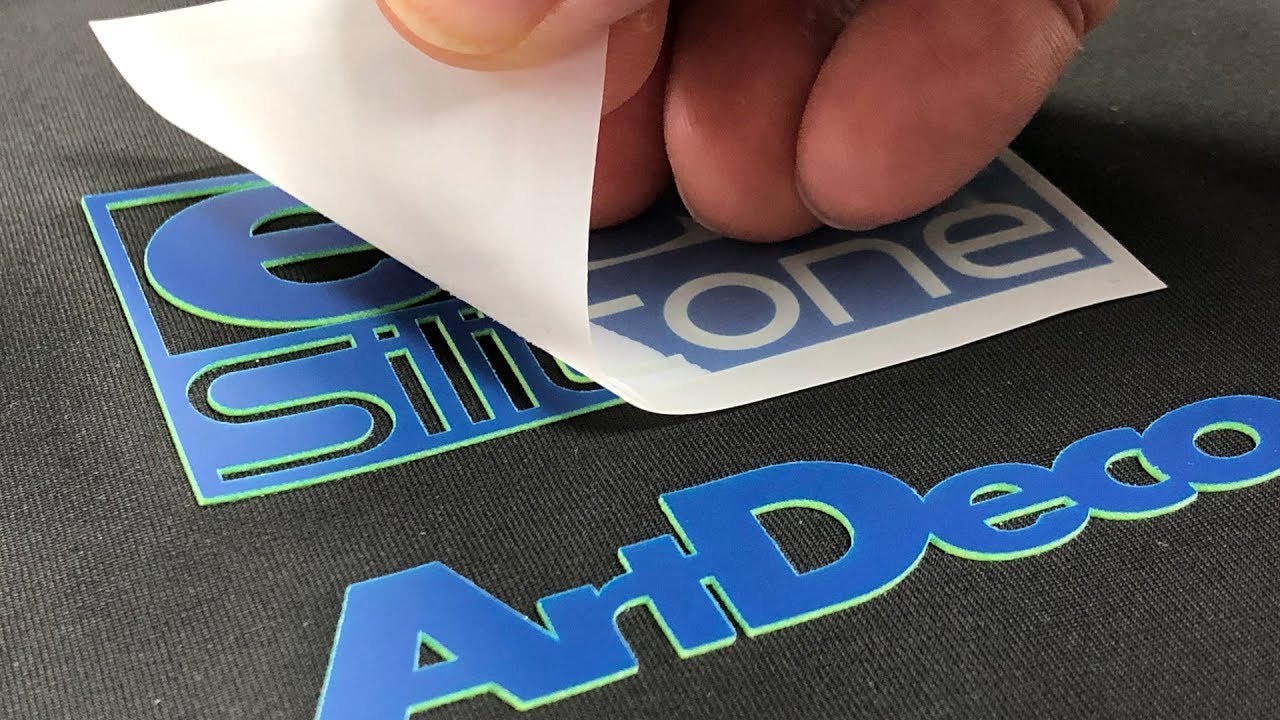
Best for: Premium team uniforms, lifestyle athletic brands, and any garment where the logo will be touched frequently (chest placement on fan jerseys).
Cost: 40–60% higher than standard HTV. Setup requires specialized silicone films and curing parameters.
High-Frequency Welding – Seamless Debossing
High-frequency welding uses electromagnetic energy to melt and fuse materials together without thread or adhesive. On synthetic fabrics, it creates a debossed (indented) or embossed (raised) logo with zero added weight.
Technical reality:
- Material requirement: Works only on PVC-coated fabrics or materials with high thermoplastic content. Standard polyester jerseys require a compatible substrate layer.
- Detail level: Excellent for geometric logos; poor for fine text below 8mm height.
- Waterproofing: Creates a watertight seal, making it ideal for rain jackets and outdoor shells.
Best for: Outerwear branding, bags, and accessories rather than standard team jerseys.
Laser Perforation – Functional Branding
Laser perforation cuts micro-holes into fabric in the shape of logos, text, or patterns. These holes function as ventilation zones while displaying brand identity.
Technical specs:
- Hole diameter: 0.5–2mm
- Density: 15–30% perforation ratio (higher compromises fabric strength)
- Location: Typically underarms, side panels, or lower back—high-sweat zones
Best for: Running singlets, cycling jerseys, and basketball uniforms where ventilation and brand visibility must coexist.
Limitation: Perforated areas lose 20–40% of fabric tensile strength. We reinforce edges with bonded seam tape to prevent tearing.
Reflective & Glow-in-Dark Elements – Safety and Spectacle
Reflective Technologies:
- Glass bead reflective: Tiny glass spheres reflect light back to source. Standard silver color; wash durability 30–40 cycles.
- Segmented reflective: Glass beads applied in strips with gaps, allowing fabric stretch. Essential for athletic applications (non-segmented reflective cracks when stretched).
- Color reflective: Available in red, yellow, blue—reflective in specific light wavelengths but appear colored in daylight.
Glow-in-Dark (Photoluminescent):
- Charge time: 10 minutes in direct light emits glow for 4–6 hours
- Color: Green-yellow standard; blue and red available at premium
- Application: Heat transfer film or screen-printed ink
Best for: Night running gear, safety-conscious youth leagues, and fan merchandise with “stadium effect” (glows under blacklight).
Frequently Asked Questions
Q1: What is the difference between sublimation and screen printing for sports jerseys?
A: Sublimation dyes bond inside polyester fibers through gas-phase transfer at 200°C. It becomes part of the fabric, won’t crack or peel, and allows unlimited colors and gradients. Screen printing pushes ink onto the fabric surface. It sits on top, can crack when stretched, and requires separate screens per color. Sublimation is best for 100% polyester performance wear with complex art. Screen printing is better for cotton garments, dark fabrics, and simple 1–3 color designs at high volume.
Q2: How durable is heat transfer vinyl (HTV) compared to tackle twill?
A: Premium TPU heat transfer vinyl lasts 50+ washes with proper application. Tackle twill lasts 200+ washes because it is sewn fabric, not adhesive film. However, HTV adds zero weight and allows mid-season roster changes (peel and re-press). Tackle twill adds 85–120g and requires sewing to change, making it permanent but bulky. For youth leagues with annual roster turnover, HTV is more practical. For semi-pro football programs, tackle twill is the standard.
Q3: Can I combine multiple decoration methods on one garment?
A: Yes. Hybrid decoration is common. Examples: sublimated jersey body with tackle twill numbers; screen-printed cotton tee with flat embroidered chest logo; silicone transfer main logo with reflective sleeve accents. Each method requires separate production stations, so hybrid designs add 20–30% to labor costs and extend timeline by 2–3 days. We sequence the process to prevent heat damage (e.g., embroidery before sublimation to avoid needle heat affecting dyed areas).
Q4: What is DTF printing, and when should I use it instead of sublimation?
A: DTF (Direct-to-Film) prints full-color designs onto PET film with a white ink base and adhesive powder, then heat-presses the film onto fabric. Use DTF when: (1) your garment is dark-colored cotton or cotton-blend where sublimation won’t work; (2) you need full-color detail on non-polyester fabric; (3) order quantity is 50–200 pieces where screen setup is uneconomical. DTF has a slight hand-feel (a thin film layer) and slightly lower wash durability than sublimation, but it solves the “dark fabric, full color” problem that sublimation cannot.
Q5: What is the minimum text size for embroidery on sportswear?
A: For flat embroidery, 5mm (0.2 inches) is the absolute minimum for legibility and thread stability. For woven patches, detail down to 2mm is possible. For 3D puff embroidery, letters must be bold and at least 8mm tall; fine serifs and thin lines collapse under the foam height. If your logo has text smaller than 5mm, we recommend switching to a woven patch or printed heat transfer rather than embroidery.
Q6: How do I choose between flat embroidery and 3D puff embroidery for my team caps?
A: Choose flat embroidery if you need fine detail, corporate polish, or if the cap will be worn during actual athletic activity (lighter weight, less sweat retention). Choose 3D puff if the cap is for sideline wear, fan merchandise, or varsity-style identity signaling. Puff adds visual authority but traps heat and can degrade faster with machine washing. Most competitive teams use flat embroidery for player caps and reserve 3D puff for coaching staff or commemorative items.
Q7: What is tackle twill, and why does it cost more than printed numbers?
A: Tackle twill is a multi-layer fabric appliqué technique. We laser-cut poly-twill letters, layer them for depth, and zig-zag stitch them onto the jersey. It costs more because: (1) each letter is individually cut and positioned by hand; (2) sewing time per digit is 3–4 minutes vs. 10 seconds for heat-press vinyl; (3) material cost includes twill fabric plus thread. The result is a dimensional, retro-authentic look that outlasts printed numbers by years. For football and baseball, the cost is justified by durability and tradition.
Q8: What is silicone transfer, and is it worth the premium?
A: Silicone transfer uses heat-cured silicone rubber (not plastic/PVC) to create logos with exceptional stretch and recovery. It stretches 300% without cracking and has a soft, matte, premium hand-feel. It is worth the 40–60% premium if: (1) your garment is high-stretch compression or basketball wear; (2) your brand positions in the premium/lifestyle segment; (3) the logo sits on a high-touch area (chest, sleeve cuff). For budget practice jerseys, standard HTV is sufficient.
Q9: Can reflective or glow-in-dark decorations be applied to any fabric?
A: Reflective and glow-in-dark materials are applied via heat transfer film, so they bond to most fabrics including polyester, cotton, and blends. However, segmented reflective (with gaps for stretch) is required for knit sportswear. Non-segmented reflective film cracks when the fabric stretches during play. Glow-in-dark film works on any color but shows brightest on white or light backgrounds. Dark garments reduce the visible glow effect by approximately 40%.
Q10: What is laser perforation, and will it weaken my jersey?
A: Laser perforation uses CNC laser cutters to burn micro-holes (0.5–2mm) into fabric in logo or pattern shapes. It adds ventilation but removes 15–30% of fabric mass in the treated area, reducing tensile strength by 20–40%. We limit perforation to non-stress areas (side panels, underarms) and reinforce edges with bonded tape. We do not recommend perforation across shoulders, seams, or high-tension zones.
Q11: Is screen printing or heat transfer better for cotton T-shirts?
A: For 100+ pieces, screen printing is more economical and generally more breathable (water-based inks sink into cotton fibers). For under 50 pieces, heat transfer (specifically DTF) avoids screen setup fees and allows full-color detail. For simple 1–2 color designs on cotton, screen printing is the industry standard. For photographic or multi-color art on small batches, DTF heat transfer is superior.
Q12: What decoration method is best for player names and numbers that change every season?
A: Heat transfer vinyl (HTV) or DTF transfers are ideal for variable data like names and numbers. They can be applied individually without sewing, and old names can be removed (with a heat gun and adhesive solvent) and replaced. Tackle twill and embroidery are permanent—removing them damages the garment. If your league has high roster turnover, specify a decoration method that allows mid-season changes.
Q13: How do I prepare artwork files for different decoration methods?
A: Each method requires different file preparation:
- Sublimation / Screen / DTG: Raster file at 300dpi, actual print size; or vector AI/EPS/PDF with outlined fonts.
- HTV / Silicone / Reflective: Vector file required for plotter cutting (vinyl films are cut by blade, not printed).
- Embroidery: DST file (machine embroidery format) or we can digitize your vector file for a one-time fee ($15–40).
- Tackle Twill: Vector file with clear layer separation for laser cutting paths.
We provide free file review and will flag any issues before production.
Q14: What decoration method has the fastest turnaround time?
A: Sublimation on house-stock white fabric is fastest (3–5 days) because there are no screens or stitch programs to prepare. HTV names/numbers on pre-made blanks are also fast (1–2 days if vinyl is in stock). Tackle twill is slowest (7–10 days) due to laser cutting and manual sewing. Embroidery requires digitizing (24 hours) plus machine time. Plan your deadlines accordingly.
Q15: Can you match my existing team colors across different decoration methods?
A: Yes, but with caveats. Sublimation and screen printing use Pantone TCX (textile) matching. Embroidery uses Pantone-colored polyester thread (slight sheen variation from printed color). Heat transfer vinyl uses stock color rolls (limited to manufacturer color charts). If color consistency across methods is critical (e.g., jersey is sublimated but cap is embroidered), we produce a physical color approval card showing all methods side-by-side before bulk production.
Not Sure Which Decoration Method Fits Your Project?
Send us your design file and garment specifications. Our decoration engineers will recommend the optimal method—or hybrid combination—for your sport, fabric, budget, and durability requirements. Free technical assessment within 24 hours.
Call anytime
+86 18659264764
Send email
info@jistarsport.com
Xiamen, Fujian Province
4th Floor, No. 71, Huli Garden, Xikemeixi Road,