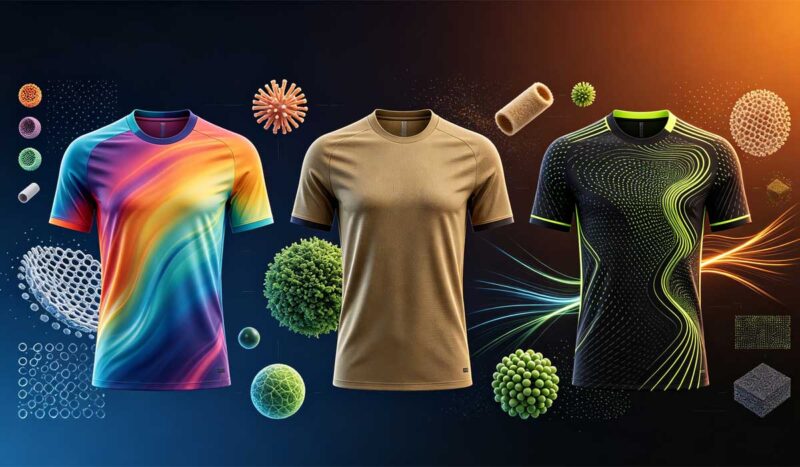
How We Make Custom Soccer Jerseys: Behind the Scenes

Introduction: What Actually Happens Inside a Soccer Jersey Factory

Most people who order custom soccer jerseys picture a simple transaction: you send a logo, someone prints it on a shirt, and a box shows up three weeks later. Having spent the better part of two decades running a soccer jerseys manufacturer facility in Xiamen, I can tell you that the reality is far more technical—and far more interesting—than that.
A professional-grade soccer kit is not a T-shirt with a number on the back. It is a performance garment engineered to survive ninety minutes of sprinting, sliding, and sweating in conditions ranging from desert heat to torrential rain, then get thrown into a washing machine with the rest of the team’s gear and come out looking identical next weekend.
Over the past seventeen years, our facility has produced roughly 600,000 units of custom soccer uniforms for clubs, academies, and private-label brands across the United States, the United Kingdom, Australia, and Germany. We have refined our workflow to 47 distinct control points, from the moment a client sends us a design file to the moment a sealed carton leaves our loading bay.
This article walks you through exactly how we do it. Not the marketing version—the actual technical process, with real numbers, real machinery, and real quality standards.
Before we cut a single panel, we have to answer a question that most buyers never think to ask: what exactly is this jersey supposed to do?

The Polyester Specification Matrix

Every soccer uniform manufacturer claims to use “high-quality polyester.” That phrase is meaningless without context. We specify our base fabric down to the filament level:
SpecificationStandard Match KitTraining/Youth KitPro/Elite Kit
Yarn Denier75D75D50D
Filament Count72F36F72F
GSM (Weight)160gsm180gsm145gsm
Weave StructureBirdseye MeshPique/InterlockUltra-fine Birdseye
Moisture Regain0.4%0.4%0.4%
Wicking TreatmentStandardStandardCoolmax®-grade
The 75D/72F Standard: This is our workhorse construction for adult league custom soccer jerseys. The 75-denier thickness provides enough structural integrity to survive sliding tackles and repeated washing, while the 72-filament count creates a smooth hand-feel that does not irritate skin during ninety minutes of continuous wear.
The 50D/72F Pro Grade: For elite-level match kits, we drop to 50-denier microfiber. It is lighter (145gsm), softer, and wicks moisture approximately 15% faster than the 75D standard. The trade-off is durability. A 50D jersey will not survive the rough-and-tumble of a Sunday league the way a 75D jersey will. It is engineered for athletes who have multiple kits and equipment managers who follow wash protocols.

Functional Treatments Applied at the Fiber Stage

We do not treat fabric after weaving. We specify it at the extrusion stage.
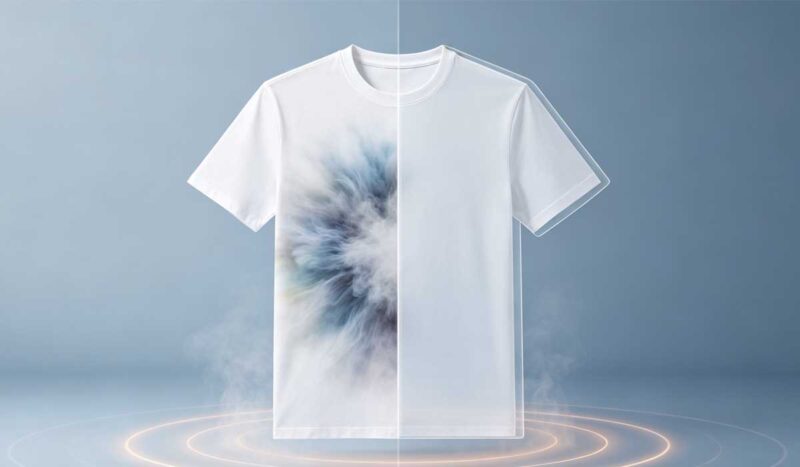
Moisture-Wicking: Our standard treatment opens hydrophilic channels in the polyester filament, creating capillary action that moves sweat from the skin to the outer surface for evaporation. In lab testing, our standard fabric achieves a wicking height of 120mm in 10 minutes (AATCC 79 test method).
Antimicrobial Silver-Ion (Ag+): For teams that train daily or use rental kits, we integrate silver-ion masterbatch during fiber extrusion. This is not a surface coating that washes out. The silver ions are embedded in the polymer matrix. Independent lab testing shows a 99.2% reduction in Staphylococcus aureus after 50 home laundering cycles (AATCC 100).
UV Protection: Outdoor tournaments in high-sun environments require UPF 50+ protection. We achieve this by integrating titanium dioxide (TiO2) during fiber production. Unlike spray-on UV treatments that degrade after 10–15 washes, TiO2-integrated fiber maintains UPF 50+ for the garment’s entire lifespan.
A soccer jersey is not a flat piece of cloth. It is a three-dimensional object that has to fit a human torso in motion. Our pattern engineering team uses CLO3D and Gerber AccuMark software to build every garment digitally before we touch fabric.

Biomechanical Adjustments for Soccer

We do not use generic “athletic” blocks. We use soccer-specific blocks refined over thousands of units:
  • Armscye Depth: Dropped 1.5cm below a standard T-shirt block to allow full arm elevation for throw-ins and overhead challenges without seam tension.
  • Torso Length: Extended 2cm at the back hem to prevent the jersey from pulling out of shorts during defensive crouching and sliding.
  • Shoulder Slope: Adjusted to 18 degrees (standard casual wear is 22 degrees) to accommodate forward-leaning sprint posture.
  • Side Seam Position: Shifted 1cm posteriorly to reduce friction during running.
Size Grading for Global Markets

A soccer uniform manufacturer shipping to multiple countries cannot use one grading rule. Our size charts account for regional anthropometric differences:
  • US Market: Standard grading with 5cm chest increments. Relaxed fit through the torso.
  • European Market: Slimmer grading with 4cm chest increments and 1cm additional length per size.
  • Asian Market: Proportionally adjusted neck openings and shoulder widths.
We also offer custom grading for clubs with unusual demographics. Last year, we outfitted a collegiate team in Texas where the average player was 6’2″ and 210lbs. Standard XL grading left the jerseys too short. We adjusted the grade rule to add 3cm length per size rather than the standard 2cm. The team reported zero fit complaints for the first time in five seasons.

Phase 3: The Pre-Production Workflow

Once the design is approved and the tech pack is finalized, we move to material procurement and preparation.

Fabric Inspection and Relaxation

Fabric arrives on rolls from our mill partners. Before cutting, we lay it flat in a climate-controlled conditioning room (20°C, 65% relative humidity) for 24 hours. This relaxation step is non-negotiable. Polyester fabric under tension on a roll will contract when cut. Skipping relaxation leads to jerseys that shrink unpredictably after the first wash.
We also inspect every roll for:
  • Shade variation: If roll #1 and roll #3 came from different dye lots, we separate them to prevent color blocking across a single jersey.
  • Width consistency: If the fabric narrows at the roll ends (common in warp-knit production), we mark those sections and adjust nesting accordingly.
  • Defect mapping: Slubs, oil spots, or broken filaments are marked with adhesive tabs. Our nesting software routes pattern pieces around these defects.
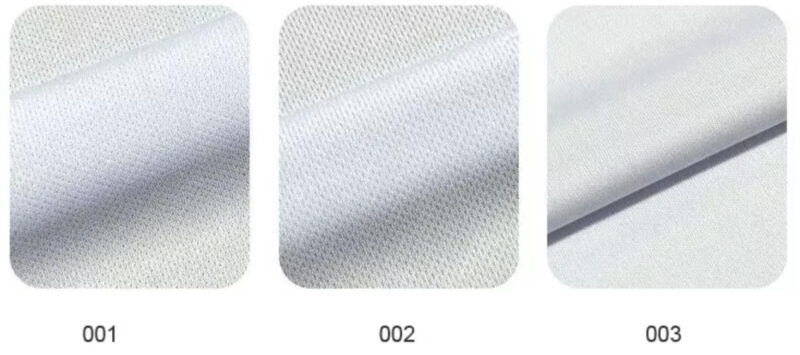
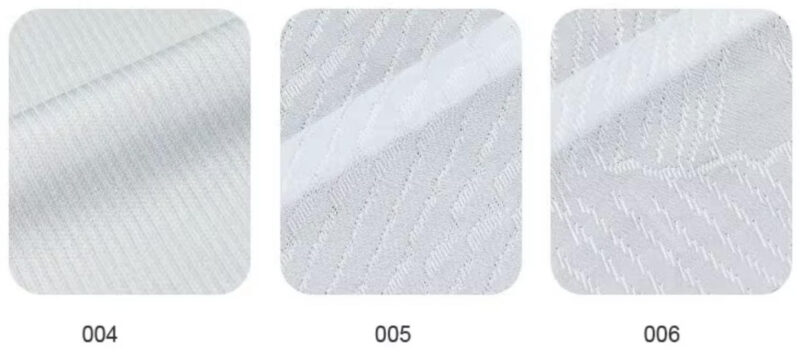
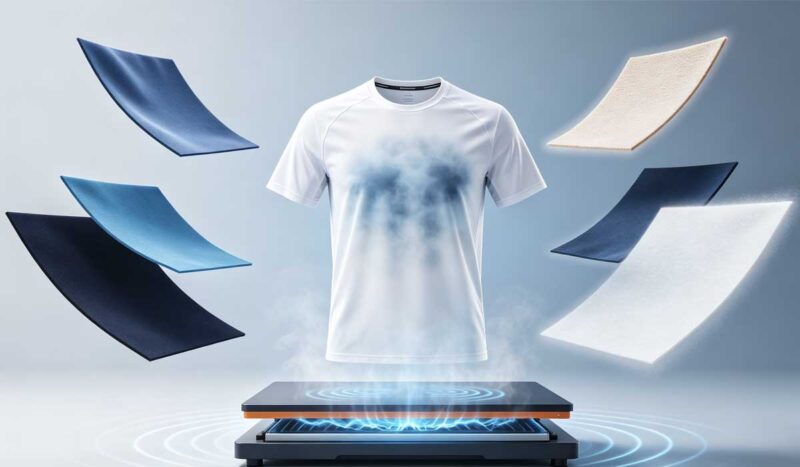
Product Name
Custom Sublimation Soccer Wear
Fabric

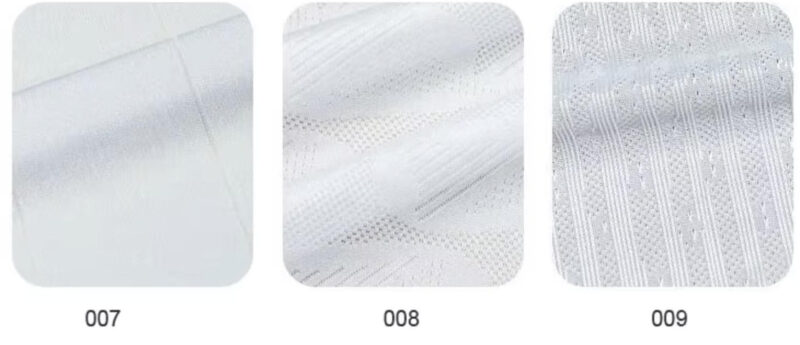
01: Honey Comb Cloth 01, 150 gsm, 100% polyester fibre. 

02: Waffle Cloth, 140 gsm, 100% polyester fibre. 
03: DNA Fabrics, 155 gsm,92% polyester 8% spandex. 
04: Health Cloth, 300gsm, 95% polyester 5% spandex. 
05: Twill Cloth, 205gsm, 90% polyester 10% spandex.
06: Interwoven Mesh Cloth, 170gsm, 100% polyester fibre. 
07: Double-sided Cloth, 140gsm, 100% polyester firbe. 
08: Double-sided Cloth, 160gsm, 100% polyester firbe. 
09: Small Squares Cloth, 100gsm, 100% polyester fibre. 
10: Butterfly Net Cloth, 150gsm, 90%polyester 10% spandex.

Marker Making and Fabric Utilization

Using Gerber AccuNest software, we calculate the optimal arrangement of pattern pieces on the fabric width. A well-engineered marker achieves 87–90% fabric utilization. A poor marker wastes 25–30% of the material.
For a 500-piece order of adult large jerseys, the difference between an 85% marker and a 90% marker is roughly 12 meters of fabric. At current polyester pricing, that is a $40–50 cost difference per order. Over hundreds of orders annually, marker efficiency directly impacts our pricing competitiveness as a soccer jerseys manufacturer.

Dye-Sublimation: The Core Technology

Approximately 85% of our custom soccer jerseys use dye-sublimation for the base decoration. Here is the actual process:
Step 1: Digital Printing onto Transfer Paper We use Italian MS LaRio single-pass printers running at 600dpi resolution. The design is printed in reverse onto transfer paper using disperse dyes formulated for sportswear applications. The ink load is calibrated based on fabric weight—160gsm fabric receives a lighter ink deposit than 220gsm fabric to prevent dye bleed-through.
Step 2: Heat Transfer (The Critical 40 Seconds) The printed paper and fabric face each other on a rotary drum heat press operating at 200°C with 4-bar pressure for 30–40 seconds. During this window, the solid dye sublimates (converts directly to gas) and penetrates the polyester fibers to a depth of approximately 0.3mm.
This is not surface coating. The dye molecules bond with the polyester polymer chains. When you run your hand across a sublimated jersey, you feel fabric—not plastic, not rubber, not a sticker.
Step 3: Color Validation We pull the first meter of printed fabric and compare it against the approved color standard using a spectrophotometer. Our internal tolerance is Delta E ≤ 1.5. Anything above that triggers an immediate ink adjustment. To the human eye, Delta E 1.5 is imperceptible.

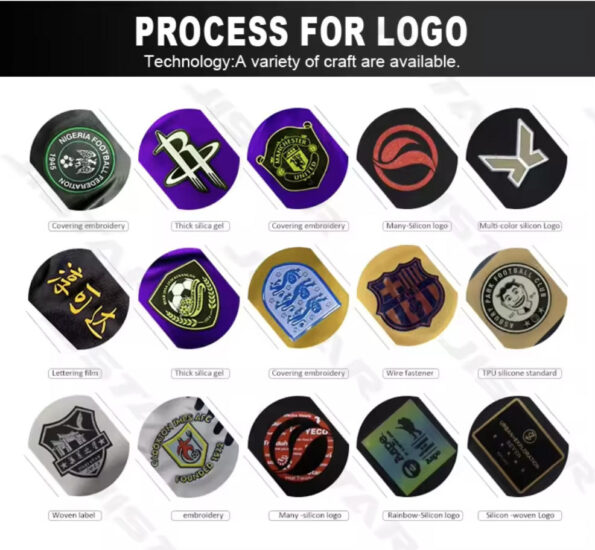
Placement Decoration: Numbers, Names, and Logos

For elements that sit on top of the sublimated base—player names, sleeve numbers, or sponsor logos—we use a combination of methods:
  • Heat Transfer Vinyl (TPU): For player names and numbers that change seasonally. Applied at 165°C for 12 seconds. Peel strength after application: ≥8N/cm (ASTM D903).
  • Tackle Twill: For club crests on premium kits. Laser-cut poly-twill layers, zig-zag stitched at 7 stitches per cm. This adds 85–120 grams to the chest area but provides a dimensional, heritage aesthetic.
  • Embroidery: Limited to staff polos and travel jackets. We avoid embroidery on player match kits because it creates stiff points that can irritate skin during contact.
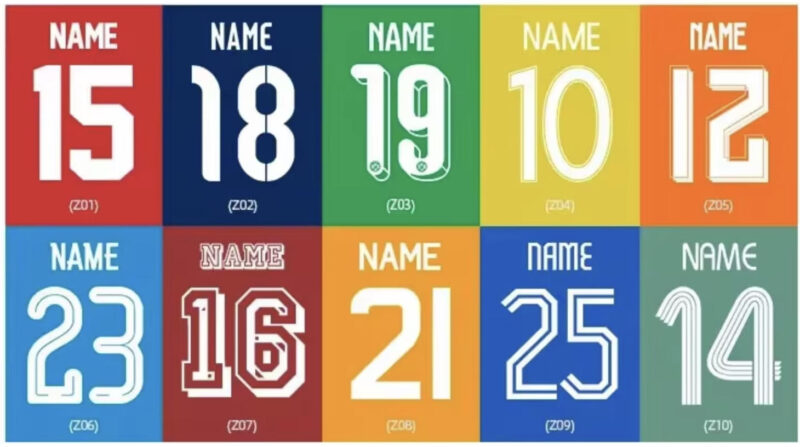
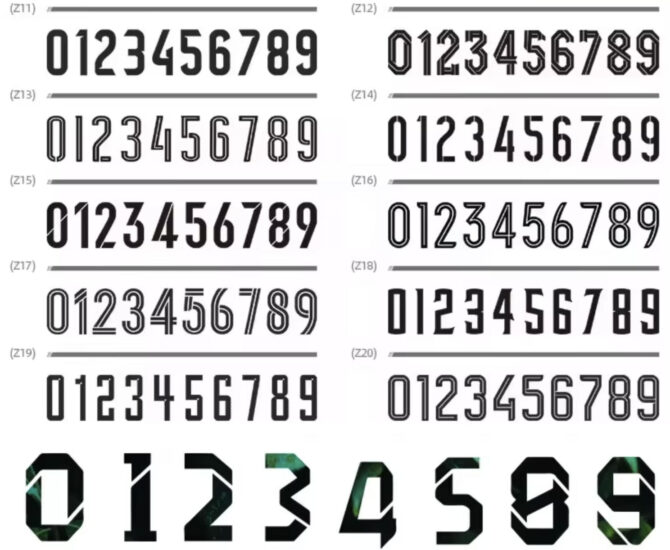
Automated Precision Cutting

After decoration, the fabric moves to our Gerber Z1 automated cutting system. The machine cuts through up to 50 layers of fabric simultaneously with a blade tolerance of ±0.5mm.
Why does half a millimeter matter? Because a soccer jersey has 8–10 panels that must align at the side seams. If the front panel is 0.5mm wider than the back panel at the underarm, that discrepancy multiplies across the seam, causing the jersey to twist on the body after washing. Automated cutting eliminates this.

Sewing Floor: The Right Seam for the Right Stress

Our sewing floor is organized by garment type. Soccer jerseys require specific seam engineering:
  • Side Seams and Shoulders: Four-needle-six-thread flatlock (ISO 4916 Class 6.02). This creates a flat, stretchable seam that lies smooth against the skin and allows the birdseye mesh to stretch during sprinting without seam rupture.
  • Hem and Cuffs: Cover stitch (ISO 4916 Class 5.01). Provides elasticity at the bottom hem so the jersey does not ride up during play.
  • Neckline: Overlock safety stitch with reinforced neck tape (twill tape sewn into the collar seam). Prevents the neckline from “baconing” (wavy distortion) after repeated pulling over the head.
Stitch Density Standard: We specify 12–14 stitches per inch on all load-bearing seams. Lower stitch density (8–10 SPI) is faster to sew but creates weak points under tension.

Phase 6: Quality Control – The Gate That Protects Your Season

We operate a three-stage quality protocol. Anything less is gambling with your order.

Stage 1: Inline Inspection (During Production)

Supervisors check every 10th garment at each sewing station. If a defect is found—a skipped stitch, an uneven hem, a logo positioned 3mm off-center—they stop the line and inspect the previous 9 pieces. This “stop-the-line” protocol prevents defective units from entering the finishing floor.

Stage 2: Pre-Final Random Inspection

Finished garments go to QC tables where inspectors check against the sealed pre-production sample:
  • Measurement Verification: 15 points measured with metal rulers (chest, waist, length, sleeve, shoulder, neck drop, etc.). Tolerance: ±1.5cm.
  • Color Consistency: Viewed under D65 standard daylight and TL84 retail lighting. Any garment showing visible shade variation from the master sample is rejected.
  • Decoration Adhesion: The “tape test” (3M 610 tape pulled at 180 degrees across printed areas) must show <5% lifting.
  • General Appearance: Oil stains, thread ends, needle holes, or odor are automatic rejects.

Stage 3: AQL 2.5 Final Inspection

For bulk shipment approval, we conduct a Final Random Inspection using AQL 2.5 (Acceptable Quality Level) sampling standards. For a 500-piece order, we randomly inspect 50 garments. If we find 3 or more major defects (broken seams, wrong size, missing decoration), the entire lot is subject to 100% inspection or rework.
Major defects include:
  • Broken or skipped stitches on load-bearing seams
  • Incorrect size or color
  • Decoration misalignment >3mm from spec
  • Holes or visible stains
Minor defects include:
  • Untrimmed thread ends (acceptable if <5mm and not on outer face)
  • Slight press marks that wash out
  • Minor fold creases from packaging

Post-Sewing Finishing

Every garment passes through a steam tunnel at 140°C for 30 seconds. This relaxes sewing tension, removes creases, and restores the fabric’s designed dimensions. After steaming, garments are folded to client specifications:
  • Retail fold: For Amazon FBA or retail display (25cm × 20cm × 3cm)
  • Team kit fold: Jersey and shorts bundled together with a band

Packaging Specifications

  • Individual Polybag: Transparent LDPE, 0.05mm thickness, with silica gel desiccant. For US market youth apparel, we include suffocation warning text in English.
  • Carton Configuration: Maximum 22kg per carton for Amazon FBA compliance. Cartons are marked with PO number, SKU breakdown, and GS1-128 barcodes if required.
  • Master Carton Sealing: Reinforced tape with “Fragile” markings for air freight; moisture-barrier wrapping for sea freight.

Shipping Method Selection

We advise clients based on timeline and budget:
MethodTimelineBest ForCost Factor
Express Courier3–5 daysSamples, urgent reorders8–10× sea freight
Air Freight5–8 days100–500kg bulk4–6× sea freight
Sea Freight (LCL)25–35 days500kg+ non-urgentBaseline
DDP ServiceSea + customs clearanceFirst-time importers+15–20%
For first-time clients unfamiliar with customs documentation, we recommend DDP (Delivered Duty Paid) to our Los Angeles or Rotterdam consolidation points. It removes the customs clearance headache and provides predictable landed costs.

Phase 8: Documentation and Archiving for Reorders

A professional soccer uniform manufacturer does not treat each order as a standalone project. We archive everything:
  • Pattern files: Stored in Gerber format for exact replication
  • Color profiles: Spectrophotometer data and Pantone formulas
  • Tech packs: Construction details, seam specifications, trim placements
  • BOM records: Exact fabric lot numbers, thread codes, and supplier references
This means your reorder in six months or twelve months takes 50% less time. We do not redesign from scratch. We pull your archived files, verify that the fabric mill still produces the same dye lot (or reserve new material to match), and move directly to sampling or production.

Frequently Asked Questions

Q1: What is the difference between a soccer jerseys manufacturer and a soccer uniform supplier?

A: A soccer jerseys manufacturer owns production facilities and controls the entire supply chain from raw yarn to finished garment. A soccer uniform supplier may be a trading company that sources from multiple factories. Manufacturers offer direct pricing, technical control, and consistent quality but often have higher MOQs. Suppliers offer flexibility and lower minimums but add margin and may lack technical depth. For orders over 100 pieces or designs requiring engineering adjustments, working directly with a manufacturer is typically more reliable and cost-effective.

Q2: How long does it take to manufacture custom soccer jerseys from start to finish?

A: Our standard timeline is 25–30 days from tech pack approval to delivery at your door (sea freight). Broken down: sampling takes 5–7 days, bulk production takes 12–15 days, and sea shipping takes 25–30 days. If you use air freight, total timeline compresses to 18–22 days. Rush production is available in 7–10 days for an additional 20–30% surcharge, but this requires using in-stock house fabrics (white, black, navy, red) to bypass dyeing lead times.

Q3: What fabric weight (GSM) is best for custom soccer jerseys?

A: For outdoor match play in temperate climates, 160gsm birdseye mesh is the industry standard. It balances breathability (air permeability >400mm/s) with enough structural integrity to survive sliding tackles. For youth recreational leagues, 180gsm pique knit offers 15% more durability at minimal weight penalty. For professional clubs with equipment managers, 145gsm ultralight microfiber maximizes thermoregulation but requires careful handling. We do not recommend anything above 200gsm for field players—excess weight traps heat and slows moisture evaporation.

Q4: Can you make custom soccer jerseys with individual player names and numbers?

A: Yes. For rosters with unique names and numbers, we use CAD-cut TPU heat transfer vinyl. Each name and number is plotted and cut individually, then heat-pressed onto the sublimated jersey base at 165°C. This allows true personalization without the cost of individual embroidery or tackle twill. The vinyl we specify has a peel strength of ≥8N/cm and survives 50+ washes. For mid-season roster changes, names can be removed with a heat gun and replaced—something impossible with sewn tackle twill.

Q5: How do you ensure color consistency across multiple orders?

A: We use three controls: (1) Spectrophotometer matching during printing, maintaining Delta E ≤ 1.5 against the master standard; (2) Dye-lot reservation, purchasing the entire season’s fabric requirement in a single production batch to eliminate batch-to-batch variation; and (3) Archived color profiles, storing the exact ink formulation and heat-press parameters for reorders. If a reorder occurs beyond six months, we produce a new pre-production sample for side-by-side comparison before authorizing bulk.

Q6: What is the minimum order quantity (MOQ) for custom soccer uniforms?

A: For fully custom sublimated designs, our standard MOQ is 50 pieces per design. This can be split across sizes (e.g., 10 Small, 15 Medium, 15 Large, 10 Extra Large). For simpler orders using stock house templates with your logo and color changes only, we offer MOQ 20 pieces. For professional clubs or leagues requiring 500+ pieces, we implement volume pricing tiers and dedicated production line allocation.

Q7: What quality tests do you perform on soccer jerseys before shipping?

A: We conduct three stages of testing: (1) Inline inspection during sewing (every 10th piece); (2) Pre-final measurement and adhesion testing (tape test, color comparison, dimensional check against sealed sample); and (3) AQL 2.5 final random inspection before shipment. For clients requiring additional documentation, we perform laboratory tests including color fastness to washing (ISO 105-C06, Grade 4–5 required), crocking (AATCC 8, Grade 4+), and dimensional stability (AATCC 135, shrinkage <3%).

Q8: Can you produce soccer jerseys that comply with FIFA or specific league regulations?

A: Yes. We maintain updated technical libraries for FIFA Laws of the Game, NFHS (US high school), NCAA, and major national federation requirements. This includes number size and placement (back numbers 25–35cm height, front numbers 10–15cm), color contrast ratios, and fabric opacity standards. We verify every tech pack against the relevant rulebook before cutting. For custom league requirements, clients simply provide their equipment manual and we engineer compliance into the pattern.

Q9: What is the difference between sublimation and screen printing for soccer jerseys?

A: Sublimation dyes the polyester fiber itself through gas-phase transfer at 200°C. It is permanent, breathable, allows unlimited colors and gradients, and has zero tactile surface layer. It only works on 100% white or light polyester. Screen printing pushes ink onto the fabric surface. It works on any color but adds a rubbery layer that can crack and trap heat. For performance custom soccer jerseys, sublimation is the standard. Screen printing is reserved for cotton fan merchandise or budget cotton-blend practice shirts.

Q10: What file format do I need to provide for custom soccer jersey production?

A: For sublimation printing, we require vector files (Adobe Illustrator .ai, EPS, or PDF with fonts outlined) or high-resolution raster files (300dpi at actual print size, PNG or PSD with transparent background). For logos and text, vector is strongly preferred because it scales without quality loss. For photographic or complex artwork, 300dpi raster is acceptable. We also need Pantone TCX color references for textile matching—screen colors and CMYK values shift significantly when converted to fabric dyes.

Q11: How do you handle sizing for youth soccer teams with mixed age groups?

A: Youth sizing requires non-standard grading. We offer U8 through U18 size ranges with proportionally adjusted neck openings (to prevent choking hazards), shorter torso lengths, and adjusted sleeve proportions. Rather than guessing, we recommend ordering a size run sample set (one of each size) for coaches to fit on actual players before bulk production. This eliminates the costly mistake of ordering 30 “mediums” only to find they fit the U12s like dresses.

Q12: Do you offer sustainable or eco-friendly soccer jersey options?

A: Yes. Our Green-Kit™ program offers rPET (recycled polyester) manufactured from post-consumer plastic bottles. Each adult large jersey consumes approximately 12 bottles. The performance is identical to virgin polyester when processed through chip-dyeing. We also offer waterless dyeing (sublimation uses 90% less water than traditional reactive dyeing) and compostable PLA packaging. Certifications available include GRS (Global Recycled Standard) and OEKO-TEX Standard 100.

Conclusion: The Factory Floor Is Where Promises Get Tested

Anyone can show you a slick website and a PDF catalog. The difference between a reliable soccer uniform manufacturer and a risky one is what happens after you pay the deposit. Do they have the machinery to hold 0.5mm cutting tolerance? Do they have the discipline to stop a production line over a skipped stitch? Do they archive your patterns so next season’s reorder matches this season’s exactly?
Our facility was built on the assumption that the answer to all three questions has to be yes. Because at the end of the day, your players are not going to care about our ISO certification or our spectrophotometer. They are going to care whether their jersey fits, whether it breathes, and whether it looks professional when they walk onto the pitch.
That is what we engineer for. Every single time.
About the Author:
Technical production team at Jistar Sport, a soccer jerseys manufacturer and soccer uniform manufacturer operating since 2008. Facility certifications: ISO 9001:2015, BSCI, OEKO-TEX Standard 100. Annual production capacity: 600,000+ units.
Share this :

Table of Contents

Related Article