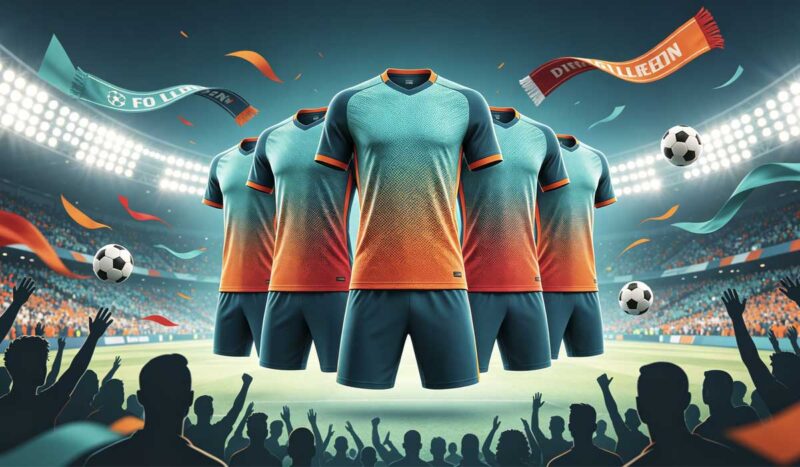
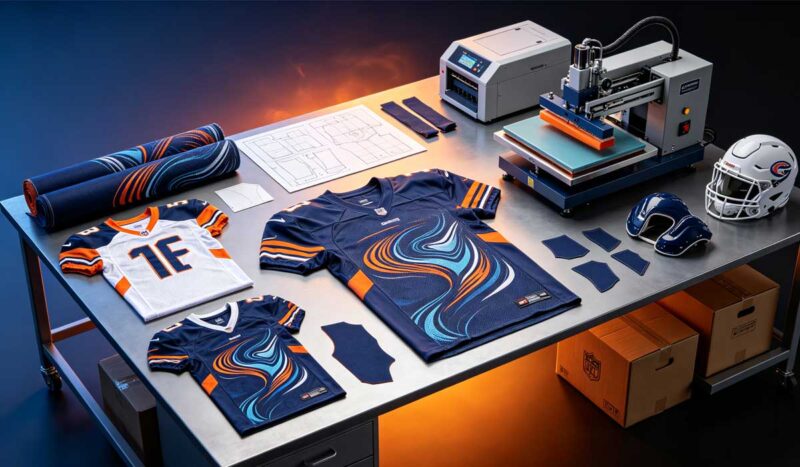
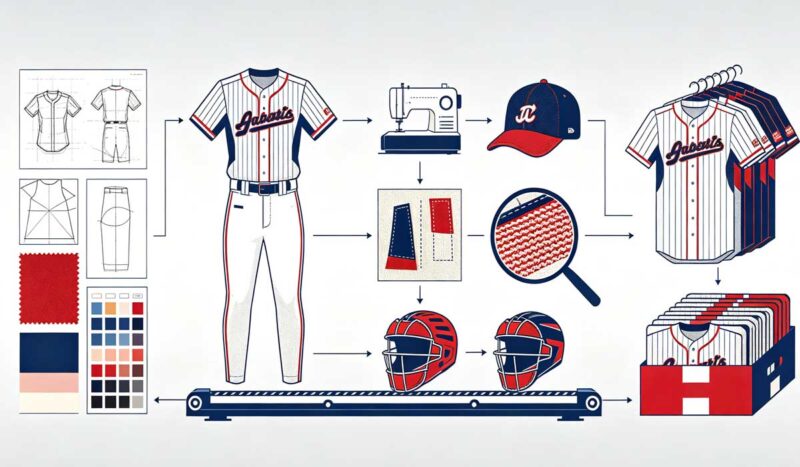
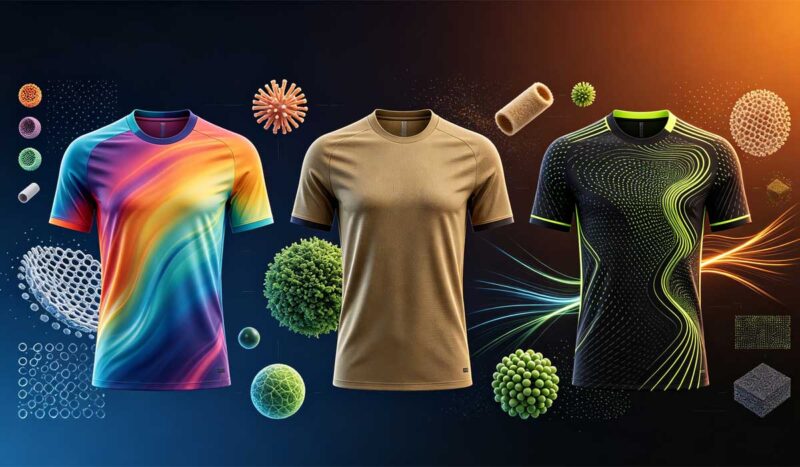
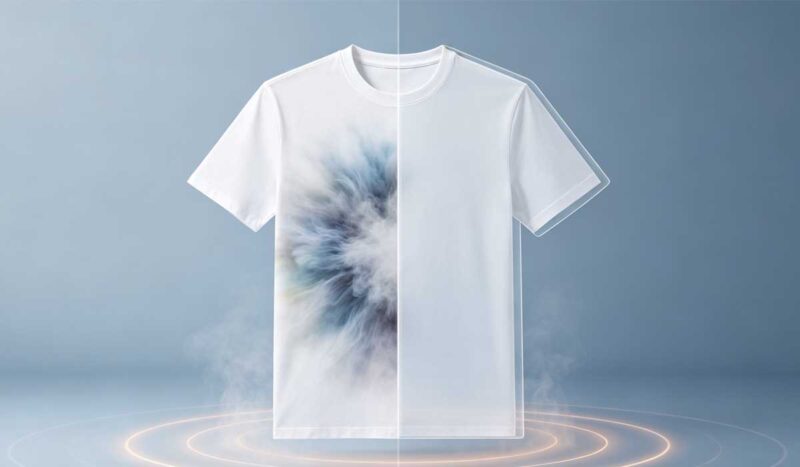
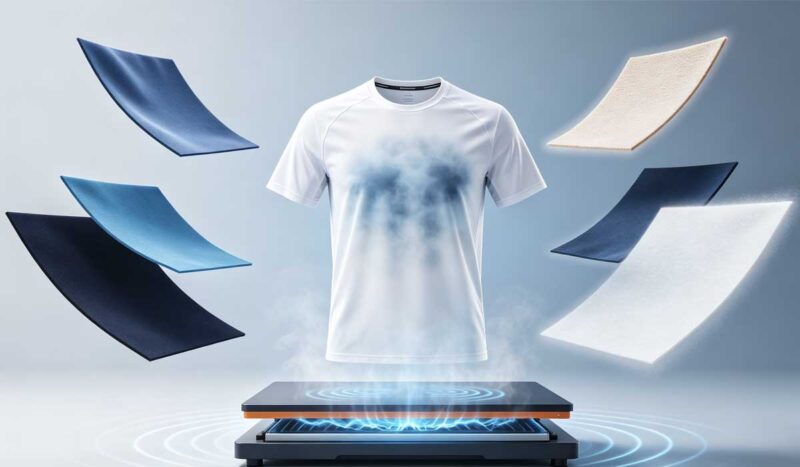
A club director from Florida sent us photos of jerseys he had ordered from a supplier advertising “professional sublimation services.” The mockups looked stunning. Crisp gradients, vibrant team colors, photographic player portraits on the back. The price was $11 per jersey. He ordered eighty pieces for his travel team.
The first red flag appeared at the fitting. The navy blue had a faint purple tint where the supplier’s printer had run low on cyan ink. The all-over pattern was visibly misaligned at the side seams—shifted by nearly a centimeter, creating a jarring break in the geometric design. But the real disaster came after the first wash.
The numbers, which had looked solid and sharp, began to flake at the edges. Not peel—flake. Tiny chips of dye came off like dried paint. The supplier had not sublimated the jerseys at all. They had used a low-temperature heat transfer process on a cotton-poly blend, called it “sublimation,” and charged him for a premium service he never received.
When he confronted the supplier, they admitted they did not own a rotary heat press.
This story is more common than you think. The word “sublimation” has become a marketing buzzword in the custom apparel industry. Suppliers use it to describe anything that involves heat and dye. But true dye-sublimation is a precise chemical process that requires specialized equipment, controlled environments, and specific fabric chemistry. Not every sportswear manufacturer can do it. Not every decorator who claims to do it actually does.
After seventeen years of operating a production facility that specializes in sublimated team sportswear, here is what actually happens inside a real sublimation sportswear manufacturer—and why the equipment matters more than the design file.
What Is a Sublimation Sportswear Manufacturer?
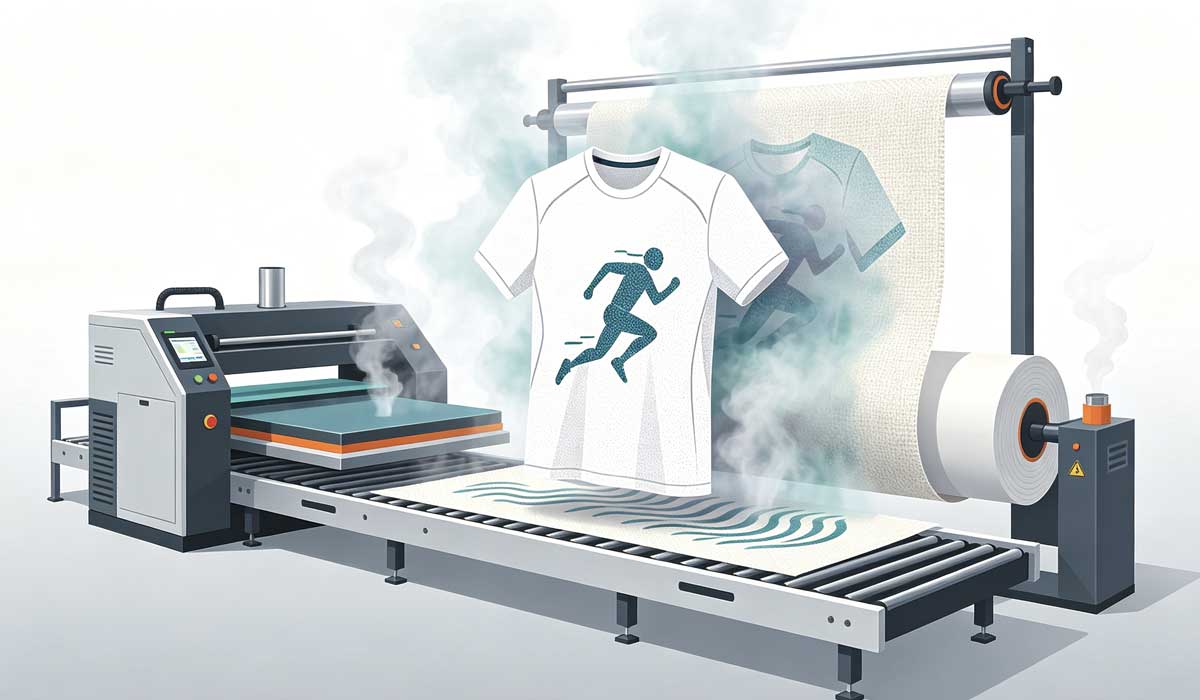
A sublimation sportswear manufacturer is a factory that produces athletic apparel using dye-sublimation as the primary decoration method. This is not a decorator who buys blank shirts and presses designs onto them, while it’s a manufacturer who typically:
-
Prints the fabric first, then cuts and sews the garment (cut-and-sew sublimation)
-
Controls the fabric specification to ensure it is 100% polyester and optimized for gas-phase dye bonding
-
Operates industrial heat presses capable of maintaining 180–200°C with consistent pressure
-
Manages climate-controlled production floors to prevent paper distortion and color shift
-
Validates color output using spectrophotometers against Pantone or digital standards
This is fundamentally different from a general sportswear manufacturer who might offer screen printing, embroidery, or heat transfer vinyl as their main services. A generalist can produce a decent T-shirt. A sublimation specialist can produce a garment where the design is literally part of the fabric itself.
The distinction matters because sublimation is not an add-on service. It is a production methodology that influences every upstream decision: fabric sourcing, pattern engineering, cutting precision, and quality control.
The Science of Sublimation—Why It Is Not “Printing”
To understand why specialized equipment is required, you need to understand what is actually happening at the molecular level.
Phase-Change Chemistry
Standard decoration methods—screen printing, heat transfer, direct-to-garment—apply pigment or ink to the surface of the fabric. The color sits on top. It can be felt by touch, scraped off. It adds a layer that changes the fabric’s hand-feel and breathability.
Dye-sublimation is different. It uses disperse dyes—specialized inks that, when heated to approximately 180–200°C (356–392°F), convert directly from a solid to a gas without passing through a liquid phase. This is called sublimation in the physics sense, and it is where the process gets its name.
In the gaseous state, the dye molecules penetrate the polyester fibers and bond with the polymer chains. When the fabric cools, the dye molecules are permanently locked inside the fiber structure at a depth of approximately 0.3 millimeters. The dye does not sit on top. It becomes part of the fiber.
Why This Matters for Sportswear
Once a dye is sublimated into polyester, it cannot crack, peel, or fade in the way that surface applications can. The decorated area has the exact same breathability, stretch, and hand-feel as the undecorated area. A player wearing a fully sublimated jersey cannot tell by touch where the design ends and the blank fabric begins.
This is critical for high-performance soccer jersey manufacturers and basketball uniform producers. A player running at full speed for ninety minutes generates significant heat and sweat. If the chest logo is a thick rubbery screen-print layer, it traps heat and moisture against the skin. If it is sublimated, it breathes exactly like the rest of the shirt.
The Polyester Requirement
Here is the chemical reality that limits sublimation: the dye only bonds with polyester polymers. It does not bond with cotton, nylon, rayon, or spandex. If you try to sublimate on a cotton-poly blend, the dye bonds with the polyester fibers and washes out of the cotton fibers, creating a faded, mottled appearance within a few washes.
A true sublimation sportswear manufacturer will insist on 100% polyester or a minimum 85% polyester substrate. If a supplier tells you they can “sublimate on anything,” they are either lying about the process or lying about the fabric.
The Equipment Arsenal—What “Specialized” Actually Means
This is where most suppliers fail. They buy a desktop sublimation printer and a clamshell heat press and call themselves a manufacturer. True sublimation at scale requires an integrated production line.
1. Wide-Format Sublimation Printers
Standard desktop printers cannot handle the volume or precision required for garment production. A real sportswear manufacturer uses industrial wide-format printers (typically 64 inches or wider) with multiple print heads running disperse dye inks.
Key specifications:
-
Resolution: 600–1200 dpi for photographic detail
-
Ink system: Disperse dyes formulated for textiles, not standard inkjet pigments
-
Color management: ICC profiles calibrated to specific fabric lots and heat press parameters
-
Print speed: Industrial machines print 200–400 square meters per hour
Without this equipment, a supplier cannot produce all-over designs or large-format prints efficiently. They are limited to small chest logos on pre-made blanks.
2. Rotary Drum Heat Presses
This is the single most important piece of equipment. A rotary drum heat press is a continuous-feed system where printed transfer paper and fabric are fed together through a heated cylinder.
Why it matters:
-
Temperature uniformity: The drum maintains 200°C ±2°C across the entire surface. A clamshell press has hot and cold spots that cause uneven dye transfer.
-
Consistent pressure: The fabric and paper are squeezed between the drum and a counter-roller at precise pressure (typically 0.5–1.0 kg/cm²). Clamshell presses rely on manual pressure that varies with operator strength.
-
Continuous production: Rotary presses can process hundreds of meters per hour. Clamshell presses process one sheet at a time.
-
No ghosting: The vacuum or tight roller contact prevents the paper from shifting during transfer, eliminating the “ghost” or double-image effect common with cheap presses.
A supplier using a $300 clamshell press from a craft store cannot achieve the temperature, pressure, or consistency required for professional sportswear. They will produce jerseys with faded colors, uneven transfer, and visible ghosting.
3. Climate-Controlled Production Environment
This is the requirement that surprises most buyers. Sublimation paper is hygroscopic—it absorbs moisture from the air. In a humid environment (above 60% relative humidity), the paper swells, causing the ink to bleed and the image to lose sharpness. When this swollen paper hits the heat press, the moisture turns to steam, creating “blushing” (foggy patches) in the final print.
A professional sublimation sportswear manufacturer maintains:
-
Temperature: 20–25°C (68–77°F)
-
Relative humidity: 45–55%
-
Positive air pressure: To prevent dust and contaminants from entering the print room
If a factory does not have air conditioning and dehumidification in their print room, their output will be inconsistent regardless of how good their printer is.
4. Automated Cutting Systems
Because sublimation prints on fabric before cutting, the factory must align the printed pattern precisely with the cutting pattern. This requires:
-
CAD nesting software: To optimize fabric utilization and align print patterns with garment pieces
-
CNC cutting tables: Gerber, Lectra, or Zünd systems that cut to ±0.5mm precision
-
Registration marks: Printed reference points that the cutter uses to align the pattern
Manual cutting or hand-held electric shears cannot achieve the precision required for all-over sublimation. Misalignment of even 2mm at the side seam creates a visible break in the pattern.
5. Spectrophotometer and Color Management
Color consistency is the Achilles’ heel of sublimation. The same digital file will produce different colors depending on:
-
Fabric lot (different dye lots absorb disperse dyes differently)
-
Temperature fluctuations in the press
-
Humidity on the day of printing
-
Age of the ink
A professional manufacturer uses a spectrophotometer to measure the printed output against a digital standard. They aim for Delta E ≤ 1.5—a color difference that is imperceptible to the human eye. Without this equipment, a factory is guessing at color accuracy.
Sublimation vs. Other Decoration Methods—The Technical Reality
Not every garment should be sublimated. But for the applications where it is appropriate, nothing else comes close. Here is how it stacks up against the alternatives.
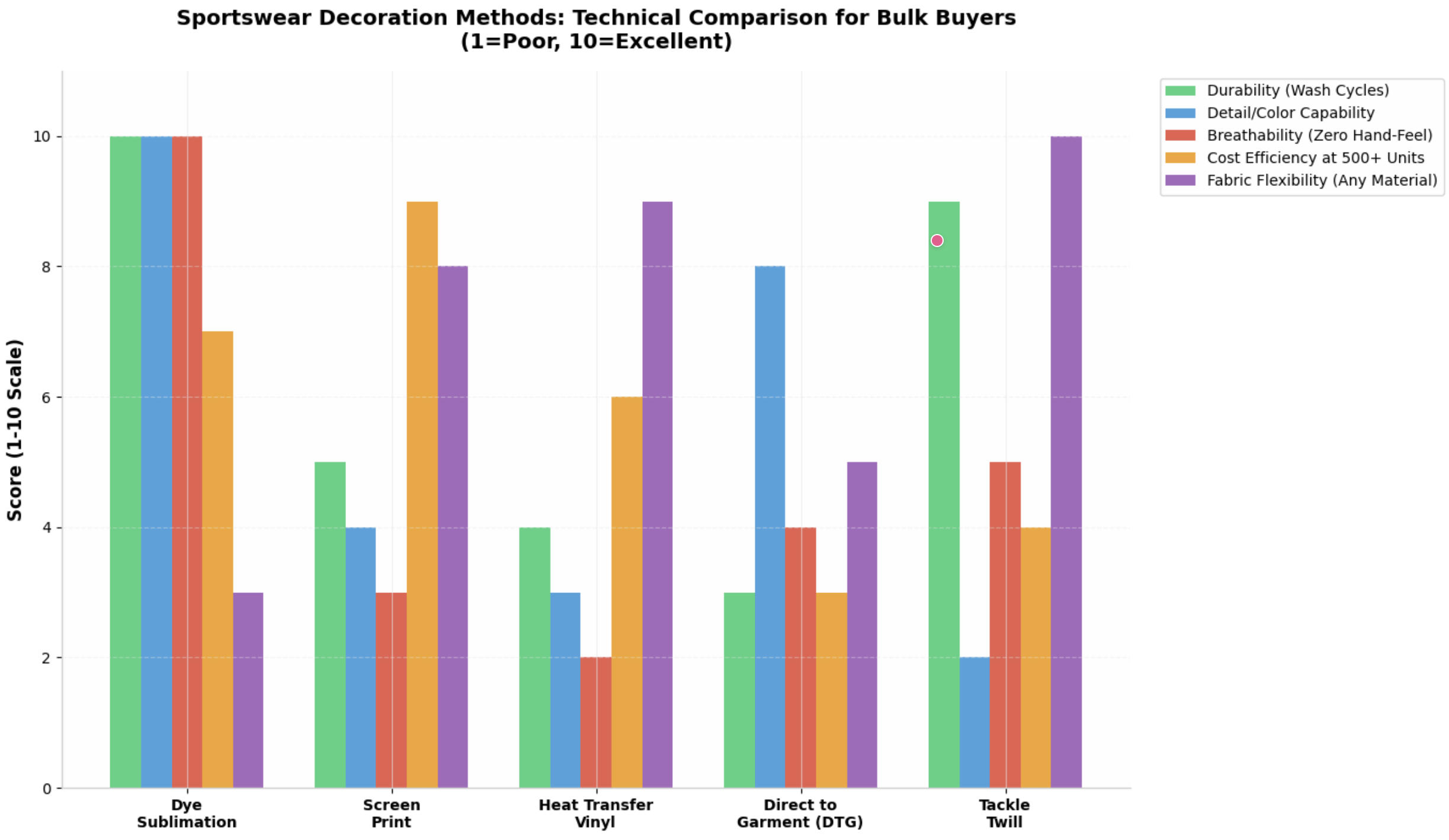
What the chart shows:
Dye Sublimation dominates in durability, detail capability, and breathability. It is the only method that achieves a perfect 10 in breathability because it adds zero surface layer. The trade-off is fabric flexibility—it only works on high-polyester substrates.
Screen Print is cost-efficient for simple designs on cotton, but it cannot achieve gradients or photographic detail, and the rubbery ink layer traps heat.
Heat Transfer Vinyl is flexible in terms of fabric choice but limited in detail and durability. It is a surface application that will eventually crack or peel.
Direct to Garment (DTG) offers good detail but poor durability and breathability. The water-based inks sit on the fabric surface and wash out over time.
Tackle Twill is extremely durable but limited to simple shapes and numbers. It cannot reproduce gradients or photographs.
For soccer jersey manufacturers producing all-over designs with complex sponsor logos and gradient patterns, sublimation is the only viable option. For a simple two-color T-shirt on cotton, screen printing is more economical.
Why Fabric Specification Is Part of the Equipment Equation
A sublimation manufacturer cannot simply buy a printer and a press and start producing. The fabric itself must be engineered for the process.
The White Base Requirement
Sublimation dyes are transparent. They do not cover dark colors. If you print a red gradient on white polyester, you get a vibrant red gradient, muddy, desaturated mess.
This means sublimation requires a white or very light-colored base fabric. Producing dark jerseys with bright designs requires either:
-
White-base sublimation: A white layer is printed first, then colored dyes are applied on top. This adds cost and creates a slightly stiffer hand-feel.
-
Color-blocked construction: White sublimated panels are sewn together with dark solid panels.
-
Discharge printing: The dark dye is chemically removed and replaced with pigment. This is not true sublimation and has lower durability.
A general sportswear manufacturer who does not understand these limitations will promise you a black jersey with neon yellow sublimation and deliver a disappointment.
Yarn Construction for Dye Uptake
The physical structure of the polyester yarn affects how evenly the dye penetrates:
-
High filament count (72F, 96F, 144F): More individual micro-strands create a larger surface area for the dye to bond with. This produces more vibrant, uniform color.
-
Low filament count (36F): Fewer, thicker strands. Less surface area. Color can appear slightly dull or uneven in large solid fields.
A sublimation sportswear manufacturer should be able to tell you the D/F specification of their house fabric and explain why they chose it.
How to Identify a Real Sublimation Sportswear Manufacturer
If you are sourcing custom soccer jerseys or team uniforms, here is how to separate the professionals from the pretenders.
Ask These Six Questions
-
“What is the maximum width of your sublimation printer?”
-
Real answer: 64 inches or wider.
-
Fake answer: “We have a large printer” (means desktop).
-
-
“Do you use rotary drum or clamshell heat presses?”
-
Real answer: Rotary drum for production; clamshell only for samples or small patches.
-
Fake answer: “We have both” (means they only have clamshell).
-
-
“What is the humidity level in your print room?”
-
Real answer: 45–55% relative humidity, monitored continuously.
-
Fake answer: “We control the temperature” (means they have a window unit).
-
-
“What is your Delta E tolerance for color matching?”
-
Real answer: ≤1.5, verified by spectrophotometer.
-
Fake answer: “We match colors as close as possible” (means they eyeball it).
-
-
“Can you sublimate on 100% polyester only, or do you offer blends?”
-
Real answer: 100% polyester for true sublimation; blends only for hybrid methods.
-
Fake answer: “We can sublimate on anything” (means they don’t understand the chemistry).
-
-
“Can I see a video of your sublimation line?”
-
Real answer: Yes, immediately. They are proud of their facility.
-
Fake answer: “We are renovating” or “Our factory is confidential” (means they don’t have one).
-
The Sample Test
Before placing a bulk order, request a physical sample and perform these tests:
-
Wash it five times in hot water with detergent. True sublimation will show no fading, no cracking, no peeling.
-
Stretch it at the decorated area. Sublimation stretches with the fabric. Surface applications will show stress lines or cracks.
-
Hold it to a light. Sublimation does not block light the way a thick screen-print layer does. You should see the fabric texture through the design.
-
Feel the surface. It should be smooth. If you can feel a raised layer, it is not sublimation.
Frequently Asked Questions
Q1: What is a sublimation sportswear manufacturer?
A: A sublimation sportswear manufacturer is a factory that produces athletic apparel using dye-sublimation as the core decoration technology. Unlike general decorators who apply surface inks or films, a sublimation manufacturer prints designs onto transfer paper using disperse dyes, then transfers them to 100% polyester fabric using industrial heat presses at 180–200°C. The dye bonds with the polyester fibers at the molecular level, creating permanent, breathable, full-color decoration. These manufacturers typically operate cut-and-sew facilities, meaning they print the fabric first, then cut and sew the garment to specification.
Q2: Why does sublimation require specialized equipment?
A: Dye-sublimation is a chemical process, not a simple heat transfer. It requires: (1) wide-format sublimation printers (64+ inches) running disperse dye inks at 600+ dpi; (2) rotary drum heat presses that maintain 200°C with ±2°C uniformity and consistent roller pressure; (3) climate-controlled print rooms at 45–55% relative humidity to prevent paper distortion and ink bleeding; (4) automated CNC cutting tables to align printed patterns with garment panels at ±0.5mm precision; and (5) spectrophotometers to verify color accuracy (Delta E ≤ 1.5). Standard clamshell heat presses and desktop printers cannot achieve the temperature, pressure, or consistency required for professional sportswear.
Q3: Can any sportswear manufacturer offer sublimation?
A: No. A general sportswear manufacturer may offer screen printing, embroidery, or heat transfer vinyl, but sublimation requires a completely different production infrastructure. The facility needs industrial printers, rotary presses, climate control, and 100% polyester fabric sourcing. Many factories that claim to offer “sublimation” are actually using heat transfer vinyl or low-temperature transfers on cotton-poly blends. True sublimation is a specialized discipline that requires dedicated equipment and technical expertise.
Q4: Why does sublimation only work on polyester?
A: Disperse dyes used in sublimation bond specifically with the polymer chains of polyester fibers. At 200°C, the dye gas opens spaces between the polyester molecules and locks into the fiber structure. Cotton, nylon, rayon, and other natural or synthetic fibers do not have the same molecular structure, so the dye cannot bond permanently. On cotton-poly blends, the dye washes out of the cotton fibers, leaving a faded, mottled appearance. For true sublimation, 100% polyester is required.
Q5: What is the difference between sublimation and heat transfer?
A: Sublimation is a chemical bonding process where dye becomes part of the fiber. It is permanent, has zero hand-feel, and allows unlimited colors and gradients. Heat transfer (including HTV) applies a layer of material—vinyl, film, or ink—onto the surface of the fabric. It can be felt, adds weight, blocks breathability, and will eventually crack or peel. Sublimation requires 100% polyester and high-temperature rotary presses. Heat transfer works on almost any fabric but has lower durability and aesthetic limitations.
Q6: How durable is sublimation on sportswear?
A: Properly executed sublimation is permanent. Because the dye is inside the fiber, not on top of it, it cannot crack, peel, or fade under normal conditions. Independent testing shows Grade 4–5 colorfastness (ISO 105-C06) after 50+ industrial washes. The decoration stretches with the fabric, making it ideal for athletic wear. The only way to damage sublimated polyester is to burn it or expose it to prolonged UV degradation, which affects the fabric itself, not the dye.
Q7: Can you sublimate dark-colored jerseys?
A: True sublimation requires a white or light-colored base because the dyes are transparent. For dark jerseys, manufacturers use one of three methods: (1) White-base sublimation, where a white layer is printed first and colored dyes are applied on top—this works but adds cost and stiffness; (2) Color-blocked construction, where white sublimated panels are sewn with dark solid panels; or (3) Discharge printing, which removes dark dye and replaces it with pigment—not true sublimation and less durable. A professional soccer jersey manufacturer will explain these trade-offs before production.
Q8: What should I look for in a sublimation sportswear manufacturer?
A: Look for six capabilities: (1) rotary drum heat presses (not just clamshell); (2) wide-format sublimation printers (64+ inches); (3) climate-controlled print rooms (45–55% RH); (4) automated CNC cutting for print-to-cut alignment; (5) spectrophotometer color verification (Delta E ≤ 1.5); and (6) 100% polyester fabric sourcing with documented D/F specifications. If a supplier cannot demonstrate all six, they are not a true sublimation manufacturer.
Q9: How much does sublimated sportswear cost compared to other methods?
A: At bulk quantities (500+ pieces), sublimation is often comparable to or cheaper than multi-color screen printing because there are no per-color setup fees or screens. For a standard 160gsm polyester soccer jersey with all-over sublimation, expect $8–$12 per unit at 500+ pieces. The cost is higher at low quantities (under 50 pieces) because setup costs are not amortized. Compared to heat transfer vinyl, sublimation is more expensive upfront but offers superior durability and zero hand-feel.
Q10: What fabrics work best for sublimation?
A: 100% white or light-colored polyester is the ideal substrate. Within polyester, higher filament counts (72F, 96F, 144F) produce more vibrant, uniform color because the increased surface area allows better dye uptake. For sportswear, 160gsm birdseye mesh is standard for match kits (maximum breathability), and 180–220gsm double-knit is standard for training and basketball uniforms (more durability). Avoid cotton, nylon, or blends for true sublimation.
Q11: Why do sublimation colors sometimes look different than the design file?
A: Color variation in sublimation is caused by: (1) fabric lot differences—different dye lots absorb disperse dyes at slightly different rates; (2) temperature fluctuations—even a 5°C variation in the heat press changes dye penetration; (3) humidity—high humidity causes paper swelling and ink bleed; and (4) RGB-to-CMYK conversion—design files in RGB shift when converted to the CMYK ink space of sublimation printers. A professional manufacturer controls these variables with climate control, calibrated ICC profiles, and spectrophotometer verification.
Q12: Is sublimation environmentally friendly?
A: Compared to traditional wet dyeing, sublimation is significantly cleaner. It uses no water in the dyeing process (the dye transfers directly from paper to fabric via gas), produces no liquid wastewater, and generates minimal fabric waste because designs are printed precisely to the cutting pattern. However, the process still uses synthetic polyester (petroleum-based) and paper transfer media. Some manufacturers now offer rPET (recycled polyester) sublimation with GRS certification, combining the benefits of sublimation with sustainable material sourcing.
Conclusion: The Equipment Is the Guarantee
You are buying a chemical process executed with precision machinery. The rotary press, the climate control, the spectrophotometer, and the CNC cutter are not luxuries. They are the infrastructure that makes permanent, breathable, all-over decoration possible.
A sublimation sportswear manufacturer without rotary presses is like a baker without an oven. Ask about their humidity control and the width of their printer.
About the Author:
Technical production team at a sublimation sportswear manufacturing facility with 17 years of experience in dye-sublimation engineering, team uniform production, and OEM activewear development. Specializations include rotary heat press calibration, color management systems, and cut-and-sew sublimation for soccer, basketball, and volleyball programs.
Technical production team at a sublimation sportswear manufacturing facility with 17 years of experience in dye-sublimation engineering, team uniform production, and OEM activewear development. Specializations include rotary heat press calibration, color management systems, and cut-and-sew sublimation for soccer, basketball, and volleyball programs.
Updated: July 2026
Related Reading: